What Documents and Details You Need for Personal Loan Applications
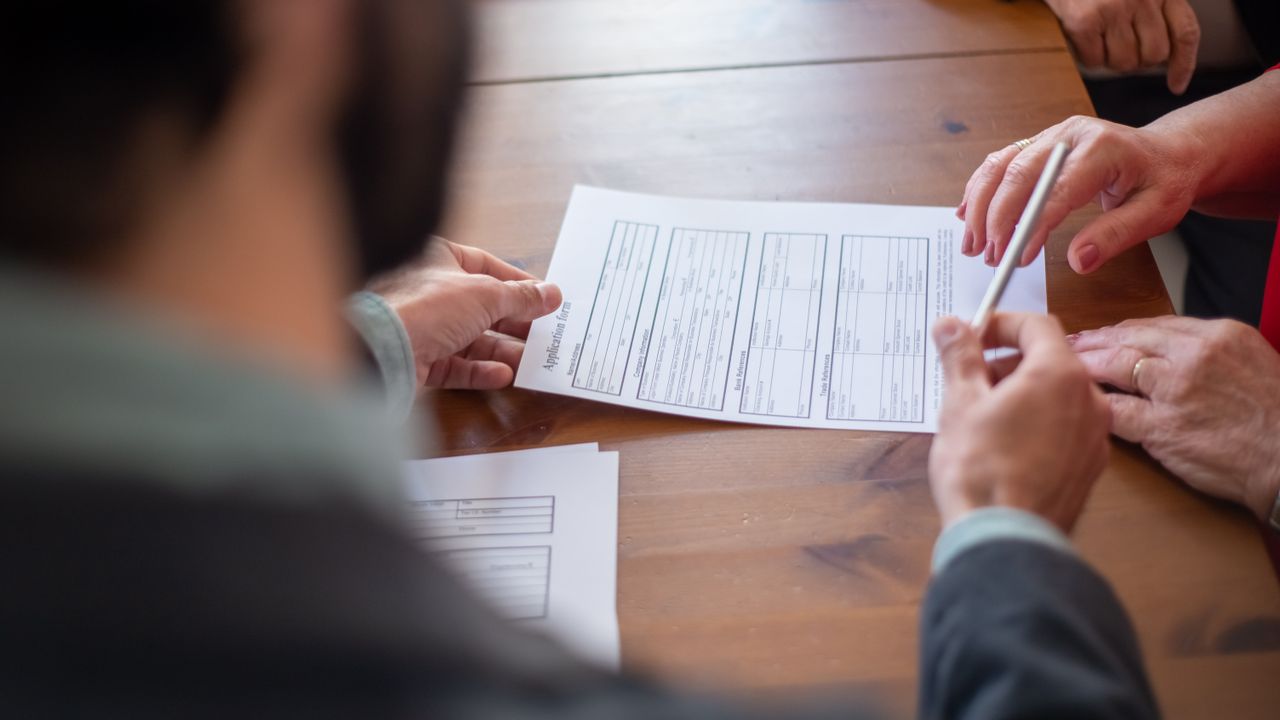
Application readiness matters. When you gather the right documents and financial details before submitting a personal loan application, you move through underwriting faster and improve your chances of approval. Lenders need to verify your identity, confirm your income, assess your debt levels and confirm your residence.

Compare Customizable Repayment Options
Match your loan to your budget and income pattern today.
*You will stay on the same site.
Having everything prepared means your application moves to decision in days rather than weeks, and you avoid delays caused by missing paperwork or incomplete information.
This guide walks you through exactly what you should have ready, why each piece matters, and how to organize it for a smooth online application process.
Getting Your Identity Documents Ready
Lenders always verify who you are before funding a personal loan. Identity verification protects both you and the lender against fraud. Most online lenders ask for a government-issued photo ID as part of the application. A current driver’s license, passport or state ID card works.
Make sure your ID is not expired and that the name matches exactly how you plan to apply.
Fast Funding Available
Flexible Loan Payment Options
Customize your loan amount and repayment timeline to fit your budget today.
*You will stay on the same site.
If you have recently changed your name due to marriage or legal proceedings, bring both your old and new IDs so the lender can connect your credit history to your application.
Beyond a photo ID, lenders typically request your Social Security number.
This nine-digit identifier helps the lender pull your credit report from Equifax, Experian and TransUnion.
It also confirms your identity in their verification systems.
Have your Social Security card available when you apply, though most lenders will accept the number alone if you know it by heart.

Quick Funding Available
Fast Personal Loan Access
Compare flexible payment options and move forward with confidence today.
*You will stay on the same site.
If you do not have a Social Security number, discuss alternative verification with the lender beforehand.
Some lenders also conduct additional identity checks depending on loan size and their risk assessment. This might include address verification or questions about your personal history.
Having a recent utility bill, lease agreement or mortgage statement helps prove your current residence matches your application.
Organizing Your Income and Employment Information
Income verification is one of the most critical parts of your application. Lenders want proof that you earn enough to repay the loan. Prepare documentation that shows your current income, whether you are employed, self-employed or receiving benefits.
For W-2 employees, gather your most recent pay stubs, typically the last two months, and your most recent tax return.
Your pay stub shows your current income rate and year-to-date earnings, while your tax return confirms your income over the full year.
Self-employed borrowers should prepare tax returns for the past two years and recent profit-and-loss statements. If you are a business owner, you may also need to provide business bank statements and a description of your business.
Lenders want to understand the stability of self-employment income, so documentation showing consistent or growing earnings strengthens your application.
If you receive Social Security, disability benefits, retirement income or unemployment benefits, gather your most recent statement from the benefit administrator. These documents count as income verification.
Gig economy workers and freelancers should prepare bank statements showing regular deposits from their work.
If you receive rental income, child support or alimony, include documentation of those payments as well.
Have your employer’s name, your job title and the length of time you have worked there ready to enter into the online form. Lenders often call your employer to verify employment, so accurate information prevents delays.
If you have recently changed jobs, be prepared to explain the transition and provide contact information for your previous employer if requested.
Preparing Your Banking and Asset Information
Lenders review your banking details to verify your current financial stability and sometimes to confirm where loan funds should be deposited. Banking verification is standard in online lending.
Have your primary checking or savings account number available. You will typically provide your bank’s routing number and your account number.
This information is usually printed at the bottom left of your checks, or you can call your bank to confirm it.
Your bank account also helps the lender see your regular income deposits and spending patterns. By reviewing your account, they assess whether you have sufficient funds to cover monthly loan payments alongside your other obligations.
Lenders may ask for recent bank statements, typically the last two to three months. If your account shows large irregular deposits or frequent overdrafts, be ready to explain them during the underwriting process.
If you have savings accounts, investment accounts or other assets, prepare to list them.
Lenders do not always require proof of assets for personal loans, but having them may strengthen your application, especially if your credit score is below 640 or your debt-to-income ratio is tight.
If you own a home or vehicle, note the estimated value and whether you still owe money on it. This helps the lender understand your overall financial position.
Gathering Your Debt and Credit Information
Debt-to-income considerations play a significant role in loan decisions. Lenders want to know all your current debts so they can calculate whether you can afford additional monthly payments. Prepare a list of every loan, credit card, car payment and other regular debt obligation you have.
Include the creditor name, current balance and minimum monthly payment. If you have a mortgage, include that as well.
This shows the lender your total monthly debt obligations, which they compare against your monthly income.
You do not need to gather individual loan documents for every debt. When the lender pulls your credit report from Equifax, Experian and TransUnion, those bureaus already list most of your debts.
However, having your own list ensures accuracy and helps you spot any errors before they affect the lender’s assessment.
If you have recently paid off a debt or closed a credit card, note that too, as these changes may not yet appear on your credit report.
Understand your approximate credit score before you apply. While a soft inquiry does not lower your score, knowing your range helps you target appropriate lenders. Most traditional personal loan lenders prefer a credit score of 640 or higher, though some lenders work with lower scores.
If you have had recent missed payments, collections or bankruptcy, have an explanation ready. Many lenders consider context, and demonstrating that you have addressed past problems improves your chances.
Confirming Your Residency and Address Details
Lenders confirm that you actually live at the address where you claim to reside. This is part of fraud prevention and helps them contact you if needed.
Have your current street address, city, state and ZIP code ready exactly as it appears on your government ID. If you have moved recently, provide both your old and new addresses, and have documentation of both.
Acceptable proof of residency includes a recent utility bill, lease agreement, mortgage statement, car insurance declaration or government mail addressed to you at your current address.
The document should be dated within the last two to three months and show your full name and current address.
If you do not have these documents, explain your situation to the lender.
Some lenders accept alternative documentation such as a bank statement or school enrollment letter.
If you are applying from a state different from where your ID was issued, gather documentation showing you established residency in your current state. This prevents confusion and speeds up verification.
Lenders are particularly careful about residency verification because they must comply with state lending regulations and determine which state’s usury laws apply to your loan.
Organizing Your Complete Application Package
Before you start your online application, create a checklist and gather everything in one digital location.
Submit your application with complete information to avoid delays caused by missing details or follow-up requests. Your organized package should include:
- Government-issued photo ID (driver’s license, passport or state ID)
- Social Security number
- Current residential address with proof of residency
- Employer name, job title and contact information
- Most recent pay stubs or income documentation
- Recent tax returns (usually last two years)
- Bank account number and routing number
- Recent bank statements (last two to three months)
- List of current debts and monthly payments
- Approximate credit score or willingness to authorize a credit check
Taking time to compile this information upfront demonstrates seriousness to the lender and shows that you understand what they need.
When you submit a complete application, the lender can move straight to underwriting rather than requesting clarification or additional paperwork.
If approved, depending on the lender, funds may be available as soon as the next business day.
Understanding What Happens After You Apply
Once you submit your information, the lender will likely conduct a soft inquiry to check your credit. A soft inquiry does not lower your credit score and allows the lender to review your creditworthiness.
If the lender wants to move forward, they will conduct a hard inquiry, which does appear on your credit report. After hard inquiry, they will begin verifying all the details you provided.
Check eligibility criteria by reviewing the lender’s specific requirements before you apply. Most lenders require you to be at least 18 years old, a U.S.
citizen or permanent resident, and have a verifiable income source.
If you meet these basics and have prepared your documents, your application can move through underwriting efficiently.
During verification, the lender may contact your employer, bank or other creditors to confirm information you provided.
They will also look for any discrepancies between what you stated and what appears on your credit report or other official records.
Having accurate, consistent information across all your documents prevents confusion and speeds approval.
If the lender approves your loan, they will explain the terms including APR, origination fees, monthly payment amount and loan term. Review these details carefully before accepting. If you have questions about any charges or want to understand how your payment breaks down, ask before accepting the loan.
Once you accept, the lender will deposit funds into your verified bank account according to their process, which may take one to three business days depending on the lender and your bank.
Immediate purchasing power comes after funds are deposited and cleared in your account. Do not assume access to funds until they appear in your bank.
Once the money is available, you can use it for whatever purpose you need, whether covering an emergency, consolidating debt, making home repairs or managing unexpected expenses.